
If you lead a church or nonprofit serving our communities, you already know how quickly the month gets away from you. You plan to send donor updates. You plan to follow up with supporters. You plan to organize your next campaign. Then the week fills with programs, people ask for help, and the fundraising side falls to the bottom of the list again.
This creates a real problem. When the fundraising work slips, your programs lose momentum. Bills stack up. Your team feels pressure. The people who depend on your services feel the impact first.
That is why a simple monthly rhythm matters. It removes uncertainty and keeps you moving even during busy seasons.
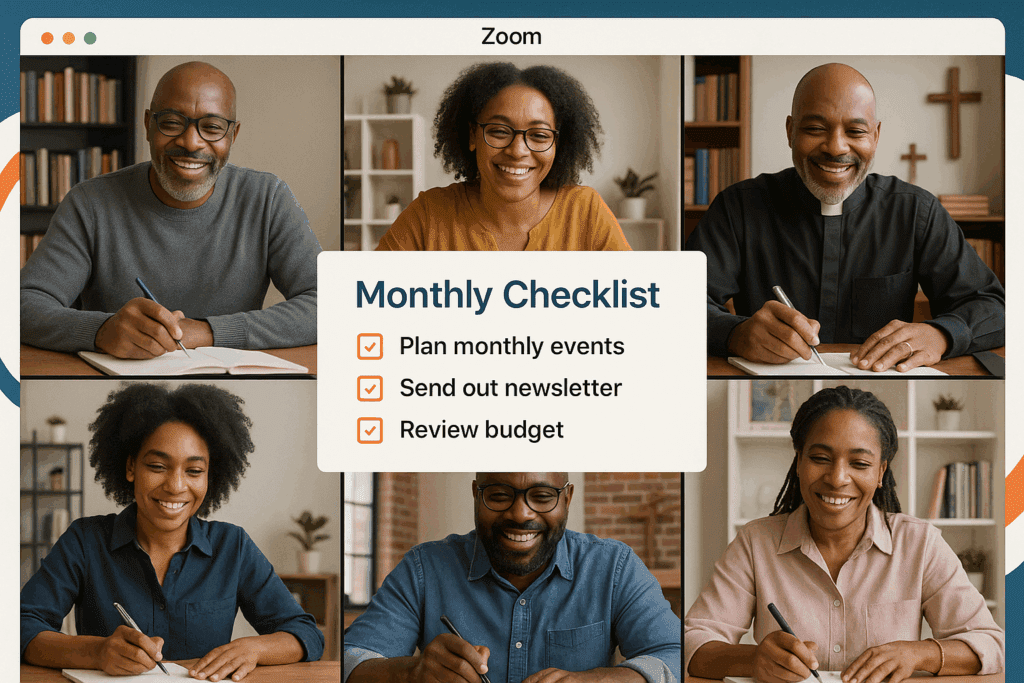
Below is a clear checklist. It gives you one focus each week so you stay consistent without taking on another full-time job. When leaders follow this pattern, their communication stays steady, donors feel connected, and community programs stay funded.
This checklist works even if your current system is inconsistent or you do not have one at all.
Week 1: Update Your Donors
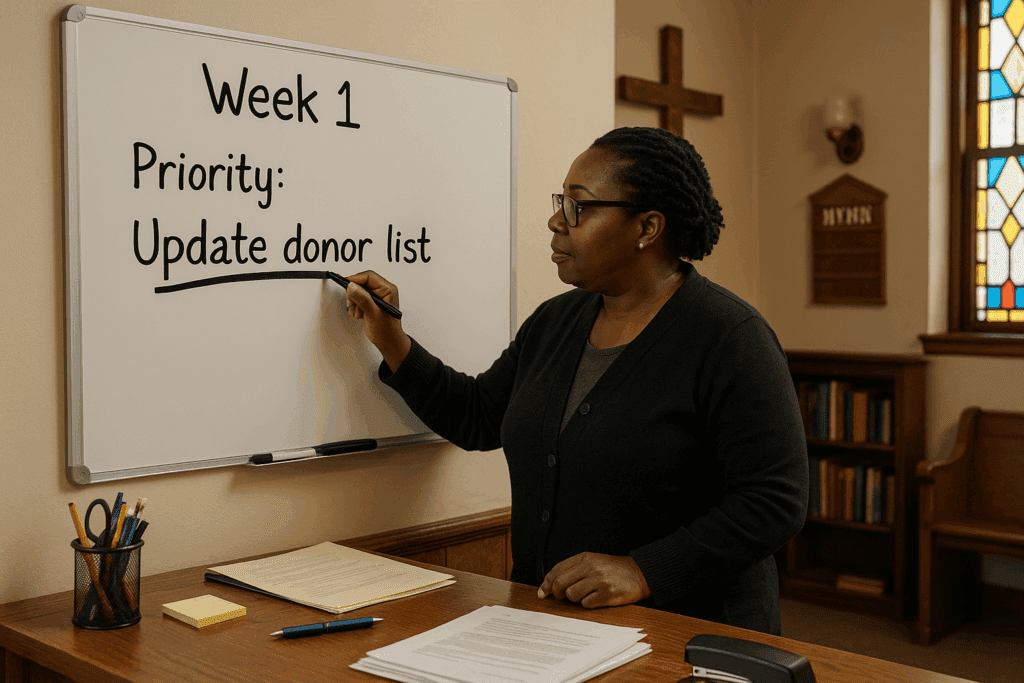
At the start of each month, send a plain update to your supporters. This can be a short email or text.
Keep it simple:
• One program highlight
• One real example from the past week
• One clear line about what the church or nonprofit is focused on next
People give when they know the work is active. This step keeps the relationship warm.
Week 2: Follow Up With Past Supporters

Look at who gave in the last three to six months. Reach out with a quick message to say thank you and share one result their gift helped create.
Examples:
• “Your support helped us stock the pantry for 14 families.”
• “Your giving helped us keep the youth program open during winter break.”
This takes about 20 minutes. It strengthens trust and keeps donors engaged.
Week 3: Share a Story From the Field

Choose one real situation from your work that shows need or impact. Put it in an email or a short social post.
This is not about dramatic language. It is about clarity:
• A family that received food
• Students who showed up for tutoring
• A senior who received support
Stories keep donors aware of how their giving helps real people.
Week 4: Make a Clear Request

Look at the month ahead. Decide on one small action supporters can take.
Examples:
• Support a specific program
• Help cover a supply cost
• Join your monthly giving list
Make the request through email, Sunday announcements, and social media. Keep the dollar amount simple and specific.
Why This Checklist Works

This rhythm keeps you visible. It keeps your donors informed. It keeps your communication steady so you never go long stretches without contact.
It also prevents burnout because you always know your next step.
Many leaders tell us this is the first time fundraising has felt organized.
If You Want This Done With Support
A checklist is helpful, but most churches and nonprofits want more than a list. They want guidance, real tools, and someone making sure the work gets done.
That is why we created The Seed Plan. It gives you:
- Resources you can use right away
- Expertise to help you send the right message
- Accountability so you never fall behind
You receive a full weekly calendar, step-by-step instructions, templates, and support from our team so you stay consistent even during busy seasons.
If your programs are growing and you want stable funding to match that growth, The Seed Plan is the best place to start.
Book a discovery call to learn how it works: https://calendly.com/d/csjd-zcn-fgx