
I remember sitting in a small church office in March, maybe five or six years ago.
It was a Black church doing real work.
Food pantry twice a week.
After-school tutoring.
Emergency assistance when families got behind on rent.
December had been beautiful.
People gave generously.
Holiday services were packed.
The congregation showed up.
By January, the pantry was still full.
By February, it was manageable.
By March, the shelves were thinner and the phone started ringing more.
The program director looked tired. Not burnt out. Just tired in a way that comes from carrying too much.
She said, “Paul, we didn’t do anything different. The need didn’t slow down. But the money did.”
That sentence has followed me for years.
Because I’ve heard it in Baltimore.
In Chicago.
In the South.
In California.
Different cities. Same story.
And every time, leaders quietly assume they failed.
You didn’t.
This Is a Calendar Problem, Not a Commitment Problem

Here’s the part nobody explains to church and nonprofit leaders.
December giving is emotional.
January giving is residual.
February giving is quiet.
March exposes the truth.
Most community programs are funded off December generosity without a plan for what comes next.
So when the holiday spirit fades, the funding does too.
That does not mean people stopped caring.
It means they stopped hearing from you.
And when people stop hearing the story, they stop staying connected to the work.
That is human behavior. Not disrespect.
Why This Hits Black Churches and Black-Led Nonprofits Harder
Let’s be real with each other.
Our churches and organizations are often doing more with less.
We are feeding people the system forgot.
We are mentoring kids the schools underserve.
We are stepping in when public resources fall short.
But many of us were never taught modern fundraising systems. We were taught to pass the plate, make an announcement, and pray it comes together.
That works for Sunday operations.
It does not work for year-round community programs.
And because we care deeply, we keep going anyway. We fill the gap ourselves. We stretch. We hustle. We exhaust our teams.
That is not sustainable. And it should not be the expectation.
The Real Reason Funding Drops After the Holidays

When we actually break this down logically, the pattern is clear.
Most donors give in December.
They receive a receipt.
Maybe a thank-you announcement.
Then silence.
No update in January.
No story in February.
No reminder in March of why the work still matters.
So when another ask comes later, it feels disconnected. Random. Unexpected.
Not because the donor is selfish.
Because the relationship was never maintained.
People give to what they feel connected to.
Connection requires communication.
This Is Where the Shift Has to Happen
Programs stop running out of money when leaders stop treating fundraising as a moment and start treating it as a system.
A system looks like this:
You know who gave.
You know why they gave.
You talk to them regularly.
You show them who their support helped.
You thank them consistently.
You invite them back into the story.
Not begging.
Not pressure.
Not guilt.
Just clarity, consistency, and respect.
Why Monthly Communication Changes Everything

I’ve watched churches double their community program funding without adding a single new donor.
What changed?
They stayed in touch.
One monthly update.
One story.
One photo.
One clear explanation of impact.
That’s it.
When donors hear from you regularly, giving becomes normal. It becomes expected. It becomes part of their rhythm.
And here’s the part people underestimate.
Many donors want to give. They just don’t want to guess where their money went.
When you remove the guessing, generosity follows.
This Is How You Protect the Work

Food ministries should not feel fragile by spring.
Youth programs should not be rationing supplies.
Outreach should not depend on last-minute appeals.
Our people deserve better. And so do the leaders doing this work.
Reliable funding does not come from working harder.
It comes from building a structure that holds generosity year-round.
What We Do at NFM
At NFM, we help Black churches and Black-led nonprofits build individual donor systems that fund community programs consistently.
Not theory.
Not hype.
Systems.
Donor lists.
Monthly communication.
Clear messaging.
Simple tools.
Sustainable plans.
So December generosity doesn’t disappear by March.
If This Sounds Familiar
If you’ve ever said, “We’re doing more than ever but the money feels tighter,” this is for you.
If your programs serve real people in real need, the funding should match the impact.
This is not about perfection.
It’s about structure.
And once the structure is in place, the stress lifts. The work becomes lighter. And the community benefits.
That’s how we take care of our own.
Absolutely. Here is a clean, logical CTA added to the end that fits Paul’s voice and the flow of the piece. It does not feel salesy. It feels like help.
A Simple Next Step
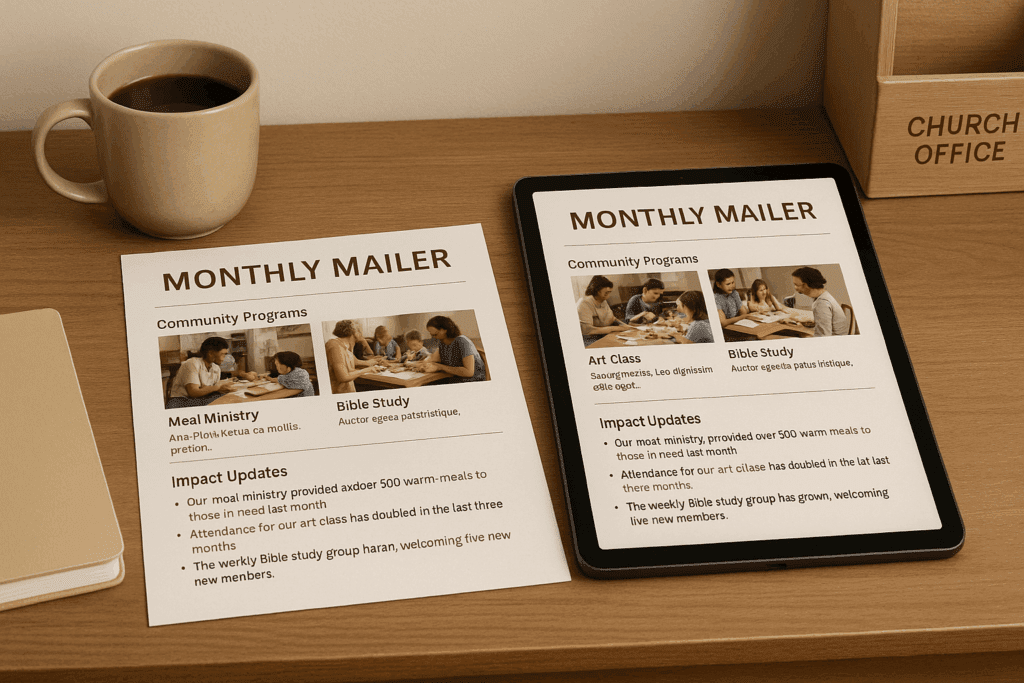
If you want your community programs funded past December, the first thing to fix is communication.
We use a Monthly Mailer Template to help churches and nonprofits stay connected to donors all year without constantly asking for money.
It gives you:
- A clear structure for monthly updates
- Space to tell real stories from your programs
- A simple way to show impact and say thank you
This is how you keep donors engaged in January, February, and beyond.
Download the Monthly Mailer Template here: wearenfm.com/resources
Use it once a month. Stay visible. Protect the work our communities depend on.

Линкбилдинг — это процесс получения ссылок на ваш сайт с других ресурсов.
[url=https://usileniessylok.ru/] Ссылки для раскрутки сайта:[/url]
Это приведет к росту конверсий и улучшению показателей.
Также можно использовать гостевые посты на популярных блогах.
Неопытные SEO-специалисты часто допускают ошибки при наращивании ссылок.
Поисковые системы научились эффективно определять манипулятивные ссылочные схемы.
Интеграция с контент-маркетингом и PR усиливает результаты продвижения.
Локальный линкбилдинг имеет свою специфику и требует особого подхода.
Ссылки с параметром nofollow не передают PageRank напрямую.